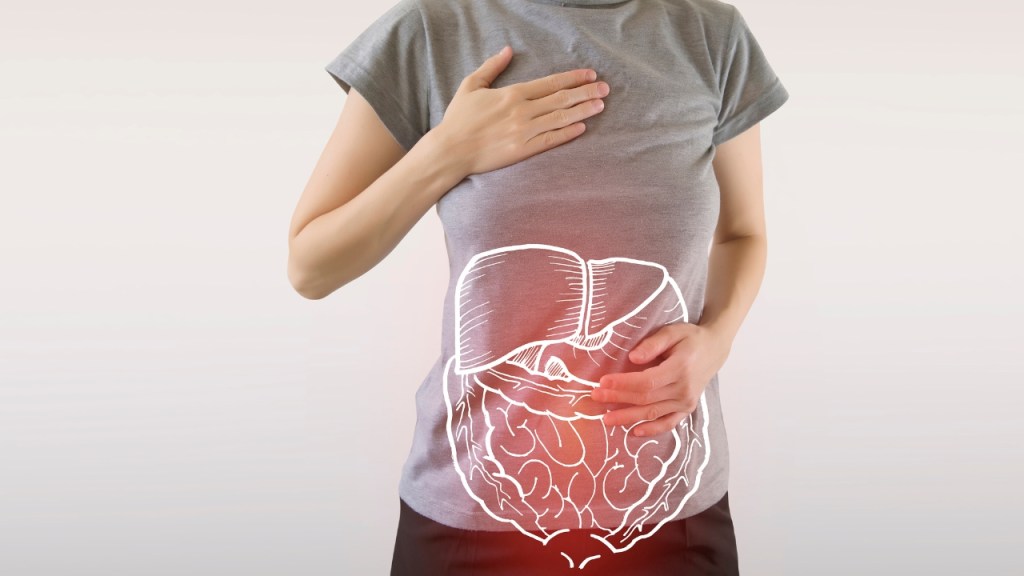
Digestion is a remarkable process that occurs within our bodies every time we enjoy a meal. It’s a complex journey where various organs and enzymes work together to break down the food we eat, extracting essential nutrients for our well-being.
I. Introduction
A. Importance of understanding digestion
In the hustle and bustle of daily life, we often overlook the significance of digestion. Understanding this process is crucial for maintaining overall health and well-being.
B. Overview of the digestive system
The digestive system comprises a series of organs and structures working seamlessly to process the food we consume. From ingestion to absorption, each step plays a vital role.
II. The Digestive Process
A. Ingestion
The journey of digestion begins with ingestion. Our mouths play a key role as we bite, chew, and swallow our food, setting the stage for the rest of the process.
B. Mechanical digestion
Once the food enters the stomach, mechanical digestion takes place. The stomach churns and mixes the food with digestive juices, breaking it down into smaller particles.
C. Chemical digestion
Enzymes like amylase, protease, and lipase assist in chemical digestion, breaking down complex carbohydrates, proteins, and fats into simpler forms.
D. Absorption
In the small intestine, nutrients are absorbed into the bloodstream, providing our bodies with the energy and building blocks they need.
E. Elimination
The indigestible remains move into the large intestine, where water is absorbed, and waste is formed for elimination.
III. Key Organs Involved
A. Mouth
Chewing initiates digestion, and saliva contains amylase, beginning the breakdown of carbohydrates.
B. Esophagus
A muscular tube that transports food from the mouth to the stomach through peristalsis.
C. Stomach
Acids and enzymes in the stomach further break down food into a semi-liquid substance called chyme.
D. Small intestine
Primary site for nutrient absorption, where the majority of digestion occurs.
E. Large intestine
Absorbs water and electrolytes, forming feces for excretion.
IV. Enzymes and Their Roles
A. Amylase
Breaks down carbohydrates into sugars for energy.
B. Protease
Digests proteins into amino acids, essential for growth and repair.
C. Lipase
Facilitates the breakdown of fats into fatty acids and glycerol for absorption.
V. Gut Microbiota
A. Importance
A diverse community of bacteria in the gut that aids digestion, synthesizes vitamins, and supports the immune system.
B. Role in digestion
Probiotics in the gut microbiota assist in breaking down certain foods and promoting a healthy digestive system.
C. Maintaining a healthy gut flora
Consuming probiotic-rich foods helps maintain a balanced gut microbiome.
VI. Factors Affecting Digestion
A. Diet
A balanced diet with fiber, nutrients, and probiotics supports digestive health.
B. Hydration
Adequate water intake aids in the smooth passage of food through the digestive tract.
 watershopbd.family.blog